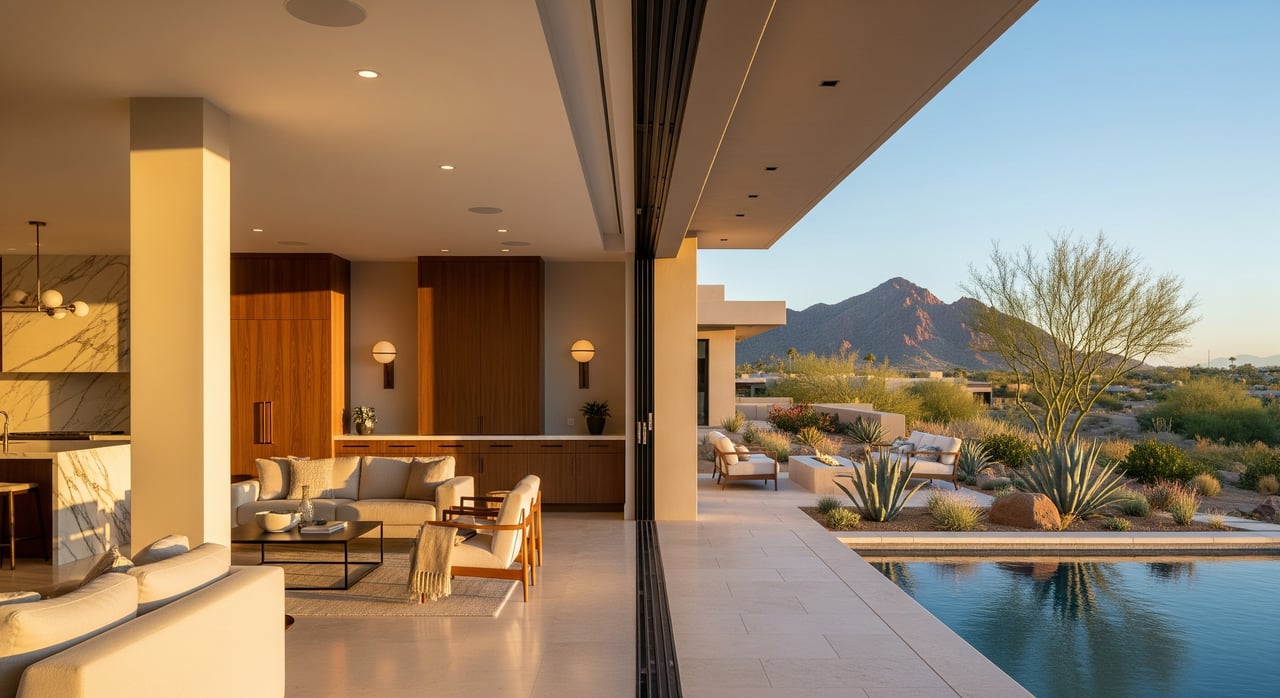
Thinking a “turnkey” Scottsdale North home means you can drop your bags and head to the pool? In Paradise Valley Village, that promise can be real, but only if you verify the details that matter in our desert climate. If you are relocating or buying a second home, you want confidence that systems, outdoor spaces, and any included furnishings are ready on day one. This guide shows you what “turnkey” really means here, which items to confirm, and the exact questions to ask before you write an offer. Let’s dive in.
What “turnkey” really means
“Turnkey” is a marketing term, not a legal standard. In practice, it signals a property that is functionally move‑in ready with minimal immediate work. Most buyers expect working mechanicals, no obvious deferred maintenance, finished interiors, and outdoor living spaces that are ready to enjoy.
In Arizona, sellers still must provide standard disclosures. Treat “turnkey” as a claim you verify in writing. Ask for clear, documented inclusions and seller representations, such as recent servicing for major systems and any transferable warranties. The more you define in the contract, the fewer surprises you face after closing.
Scottsdale North factors that change “move‑in ready”
Heat, sun, and monsoon stress
Our long, hot summers put continuous pressure on cooling systems and pool equipment. UV exposure ages roof seals, finishes, and outdoor fabrics faster than in cooler climates. Monsoon storms can push debris into pools, test roof flashings, and expose weak irrigation or drainage.
Water, landscaping, and irrigation
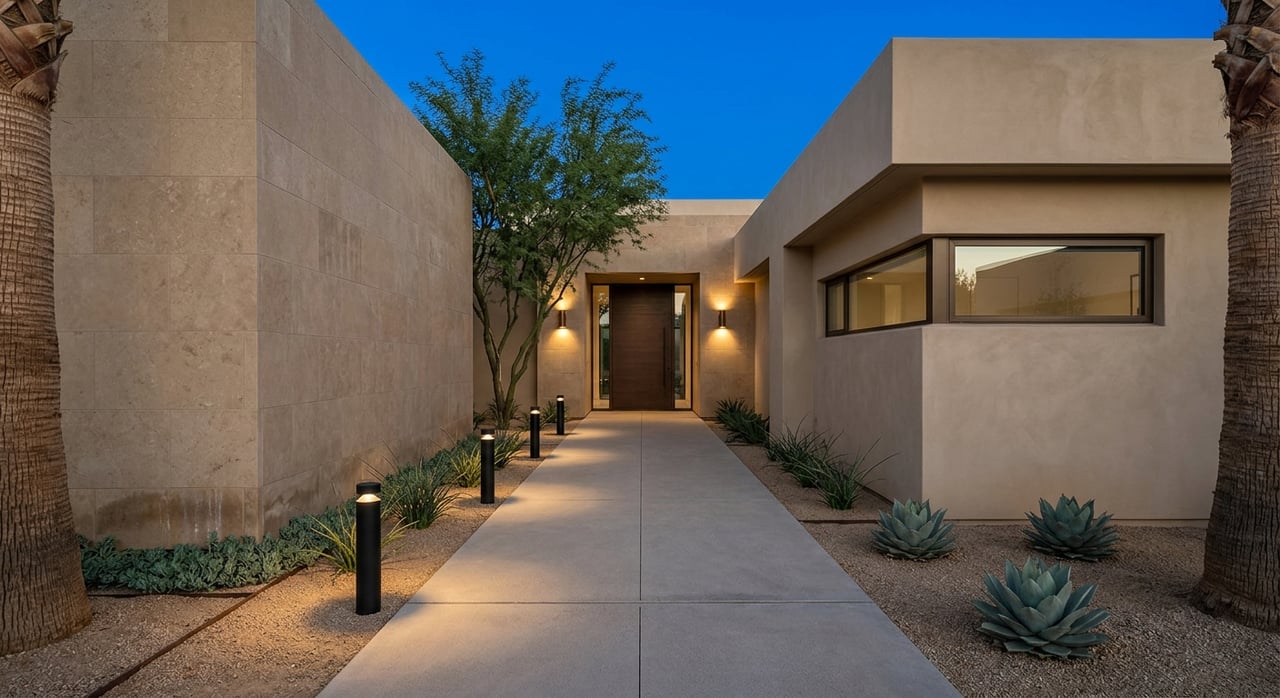
Desert‑friendly landscaping and drip irrigation are the norm. A “turnkey” yard should include a functioning controller, mapped zones, and a maintained backflow device. City water rules, conservation guidelines, and HOA standards can influence irrigation timing and plant selections, so confirm what is permitted and required.
Pools and outdoor living
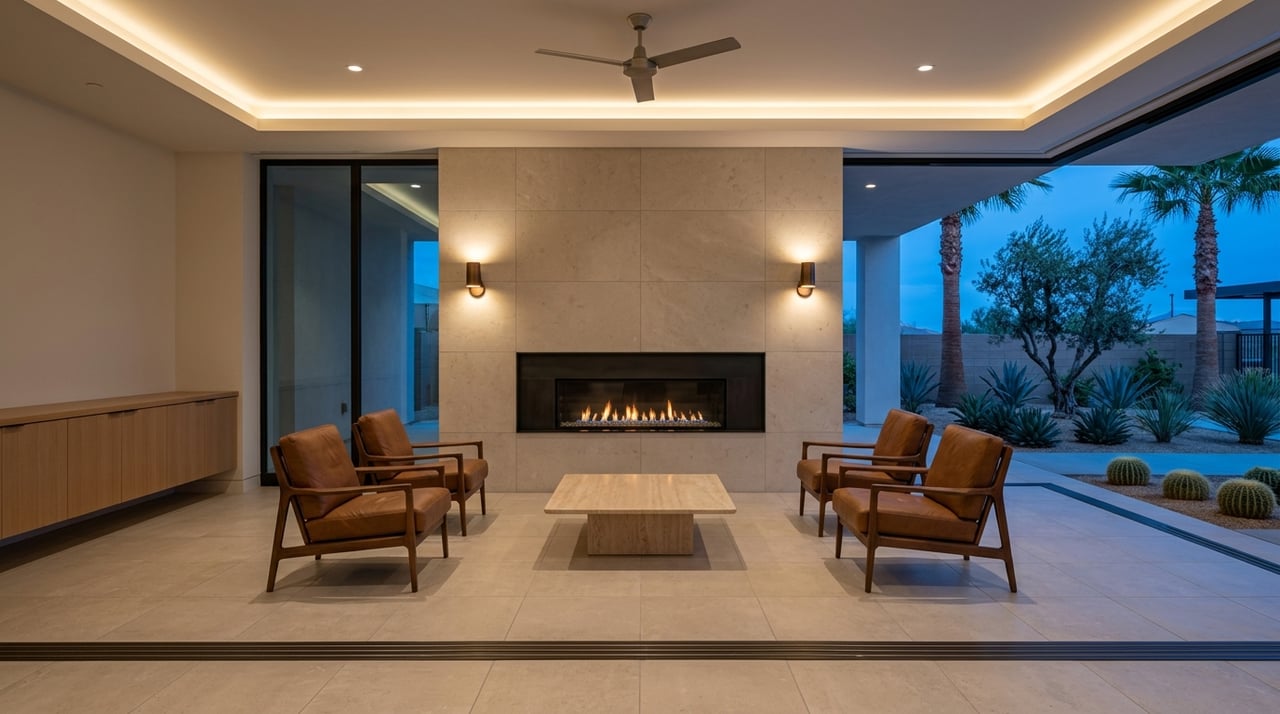
Luxury properties often center daily life around the pool, shaded patios, and outdoor kitchens. In a true “turnkey” scenario, you should see documented pool service, functioning safety features, and maintained outdoor appliances. When structures were added or modified, ask to see permits and final inspections.
HOAs and rental considerations
Many neighborhoods here have HOAs that set standards for exterior appearance, safety features, and rental rules. If you plan to use the home part‑time or explore short‑term rental options, verify both city and HOA requirements early. Clarity up front helps you avoid costly changes later.
What to verify in a “turnkey” listing
Mechanical systems
- HVAC and cooling: In Phoenix, this is mission‑critical. Confirm age, last service date, refrigerant type (R-22 vs R-410A), and service records. Run all zones during inspection and check duct performance.
- Electrical: Review main panel capacity, GFCIs in wet areas, dedicated circuits for pool or spa, and proper permits for any power‑hungry additions like wine rooms or EV chargers.
- Roof and exterior envelope: Note roof type and age, and inspect flashings, parapets, and skylights for sun or storm wear. Ask about any monsoon‑related repairs.
- Plumbing and water systems: Confirm water heater age and type, water softener or filtration equipment, and presence of a pressure‑reducing valve. In older homes, ask whether any problematic piping was replaced.
- Pool and spa equipment: Check the pump, filter, heater, automation, and sanitation systems. Replacing aging equipment can be a significant expense, so verify recent service and operational status.
- Foundation and drainage: Assess slab conditions and grading. Proper water movement away from the home matters during heavy summer rains.
Interior finishes and appliances
- Appliances: Verify make, model, age, and warranties. Confirm whether high‑end or built‑in appliances transfer with the sale.
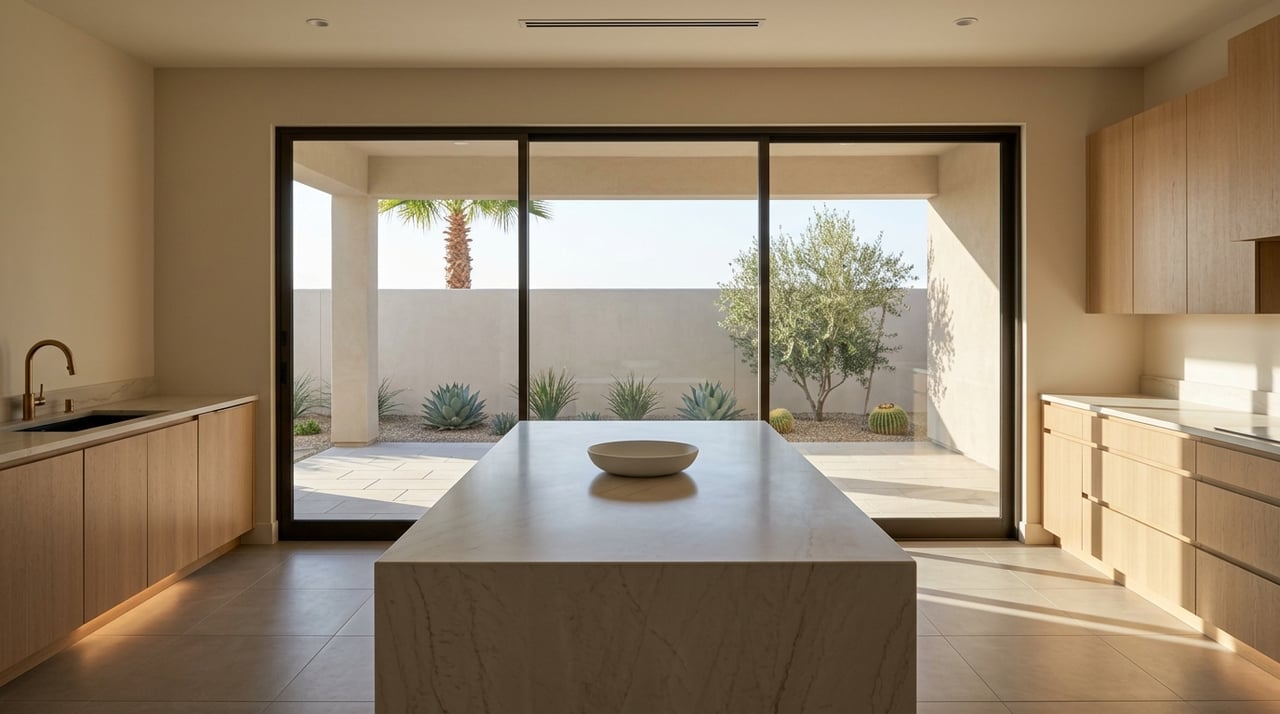
- Flooring, paint, and window treatments: “Turnkey” often implies clean, neutral finishes. Make sure custom window coverings and hardware are specified as included or excluded.
- Pest, mold, and air quality: Ask for termite and pest history. Request disclosure of any water intrusion, mold remediation, or air quality concerns, along with repair documentation.
Outdoor living essentials
- Pool readiness: Confirm recent pool service and safety compliance, such as self‑latching gates and required barriers. This is both a function and liability issue.
- Landscaping and irrigation: Inspect the controller, test zones, and review any maintenance agreements. Even drought‑resistant plantings need routine care.
- Shade, kitchens, and fireplaces: Review the condition of outdoor appliances, gas lines, cabinetry, and shade structures. Ask for permits and final inspections where applicable.
Smart‑home systems and networking
- What “smart” means: This can range from a few devices, like thermostats and locks, to integrated systems like Control4 or Lutron.
- Transfer and support: Confirm whether accounts, subscriptions, and programming can transfer. Ask for system diagrams and any service contracts.
- Wiring backbone: Look for structured wiring, network closets, and adequate coverage for outdoor areas. Weak infrastructure can limit your ability to automate later.
- Cybersecurity and maintenance: Ensure you can reset devices and update firmware. Obsolete hubs or unsupported software can be expensive to replace.
Furnishings and inventory
- Staged vs furnished: Staging is for marketing only. If a home is offered furnished or “turnkey furnished,” request a detailed inventory and include it in the contract.
- Title and condition: Ask for photos, condition notes, and confirmation that nothing is leased or on consignment.
- Value and logistics: Furniture can affect insurance and closing logistics. Plan for replacement values and any applicable taxes on personal property.
Documents and inspections to request
- Seller documents: Service records for HVAC, pool, irrigation, roof, and appliances; copies of warranties; recent utility bills for electric and water; HOA documents and meeting minutes; permits and final inspections for improvements; pool safety compliance documents; and seller property disclosures.
- Specialized inspections: A full home inspection by a desert‑savvy inspector; HVAC performance test; pool and spa inspection for equipment and structure; roofing evaluation; electrical review for older or modified systems; sewer scope; termite or pest inspection; irrigation system inspection; and moisture testing if there is any history of water intrusion.
- Warranties and escrow options: Verify that system warranties are transferable. If inspections uncover issues, consider escrow holdbacks or seller credits to cover remediation.
A practical checklist for showings and offers
Quick checklist
- Are the HVAC units less than 10 to 15 years old with service records?
- Has the pool equipment been serviced within the past 12 months and are safety gates self‑latching?
- What is the roof age and repair history, and are permits available for recent work?
- Are irrigation and backflow devices present and maintained, and is landscape care current?
- Which interior items are included, such as appliances and window treatments, and are they documented in writing?
- Is there a recent termite or pest report, and have any issues been treated with documentation?
- Has smart‑home automation been professionally installed, and can accounts and programming transfer?
- Will the seller allow you to run major systems during inspection, including A/C at peak load and pool equipment through full cycles?
- Can the seller provide 12 months of electric and water bills for budgeting?
- Are HOA documents available, and do they include any rules about rentals or exterior changes?
Questions to ask the listing agent or seller
- “Please provide service records for HVAC, pool, roof, and irrigation for the past five years.”
- “Which items are included in the sale? Please share an inventory with photos and condition notes.”
- “Are there transferable warranties or active service contracts for major systems?”
- “Were permits pulled for remodels or outdoor structures, and can you provide final inspections?”
- “How is the home maintained when the owners are away, and can a property manager’s contract transfer?”
Red flags to pause on
- No HVAC service records in a high‑heat market.
- Pool equipment beyond typical lifespan with no recent maintenance.
- Major exterior improvements without permits or inspections.
- Vague or shifting answers about which furnishings are included.
- Mismatches between “turnkey” claims and inspection findings.
Negotiation levers to consider
- Ask for seller credits or escrow funds to cover named repairs from inspections.
- Request professional servicing and certifications, such as an HVAC tune‑up or pool equipment service, before closing.
- If furnishings are part of the value, require an itemized inventory with confirmed condition and transfer terms.
Final thoughts and next steps
In Scottsdale North’s desert environment, “turnkey” should mean more than clean finishes. You want proof that cooling systems are reliable, the pool is ready, the roof and irrigation are in good order, and any included technology and furnishings transfer smoothly. Clear documentation, targeted inspections, and precise contract language protect your time and investment.
If you want a high‑touch, boutique process backed by global reach, our team can help you vet “turnkey” listings and negotiate the right terms. For a private, consultative approach tailored to relocation and second‑home goals, connect with St John International.
FAQs
What does “turnkey” usually include in Paradise Valley Village?
- Typically working mechanicals, maintained pool and outdoor spaces, finished interiors, and minimal immediate repairs. Furnishings may be included only if specified in writing.
Which home systems are most critical to verify in Scottsdale North?
- HVAC and pool equipment are top priorities due to heat and sun exposure, followed by roof condition, irrigation systems, and electrical capacity for outdoor living and appliances.
How should I handle furnishings in a “turnkey furnished” sale?
- Request a detailed inventory with photos and condition notes, confirm ownership of each item, and attach the inventory to the purchase contract to avoid ambiguity.
What inspections go beyond a standard home inspection here?
- HVAC performance testing, a dedicated pool and spa inspection, roof evaluation, electrical review if systems were modified, sewer scope, termite inspection, and an irrigation assessment.
How do HOAs and local rules affect a “turnkey” purchase?
- HOAs may set standards for exterior features and rentals, while city rules can impact short‑term rental use and permits; verify both sets of requirements before closing.
What documents should I request before making an offer?
- Service records for major systems, warranties, recent utility bills, HOA documents and minutes, permits and final inspections for improvements, pool safety compliance, and seller disclosures.