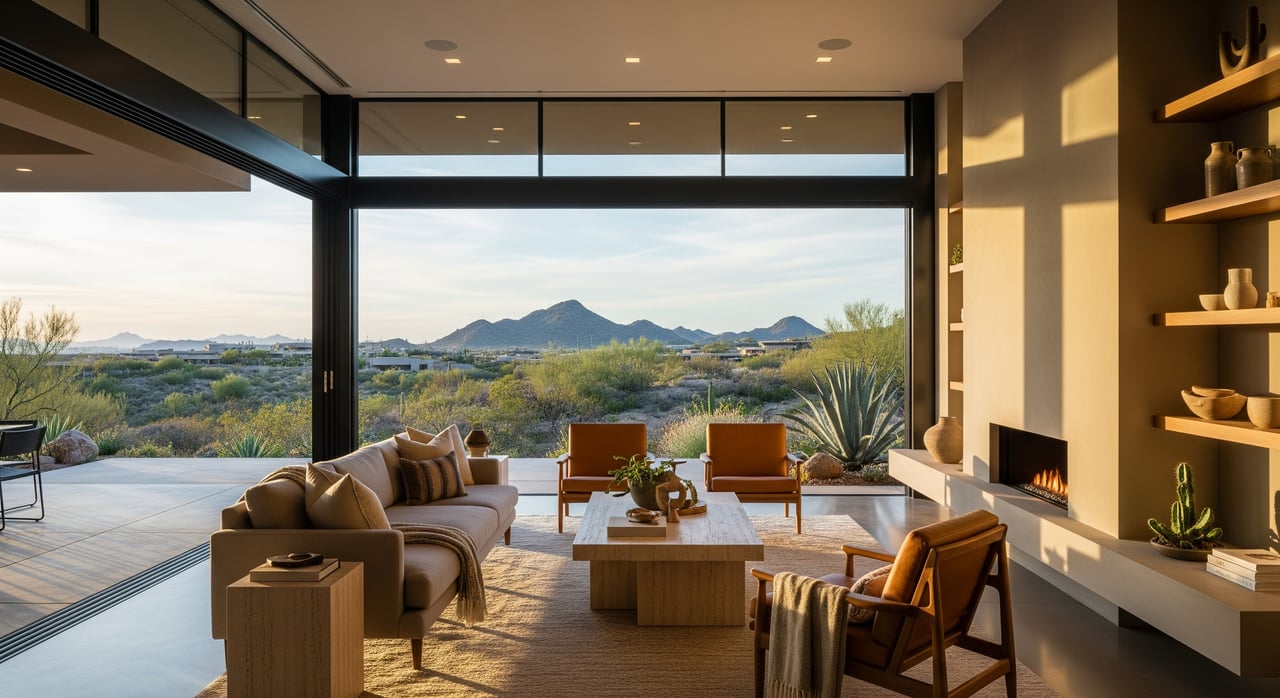
If you are preparing to list a desert‑modern home in Troon Village, you already know the views and outdoor lifestyle do the heavy lifting. Your job is to make those features effortless to see and easy to imagine living in. With the right staging and photography plan, you can present a warm, low‑maintenance desert lifestyle that speaks to premium buyers from the first click.
This guide gives you a clear playbook tailored to Troon Village. You will learn how to frame views, use color and materials that read well in the Sonoran light, set outdoor living vignettes, and plan a twilight shoot that elevates your online presence. Let’s dive in.
What Troon buyers want
Buyers in Troon Village look for indoor‑outdoor flow, mountain and sunset views, and low‑maintenance landscaping that fits the desert climate. They value modern, resort‑style finishes and spaces that feel usable across seasons. Staging should show how simple and comfortable the lifestyle can be.
Heat, intense sunlight, and low humidity shape how spaces perform and photograph. Lean into shade, glare control, and durable materials so the home looks inviting in person and online.
Core look: desert‑modern and soft contemporary
Desert‑modern design uses clean lines, large glass, and a neutral base that lets the landscape shine. Soft contemporary layers warm textures over those modern bones to keep spaces welcoming to a broad buyer pool.
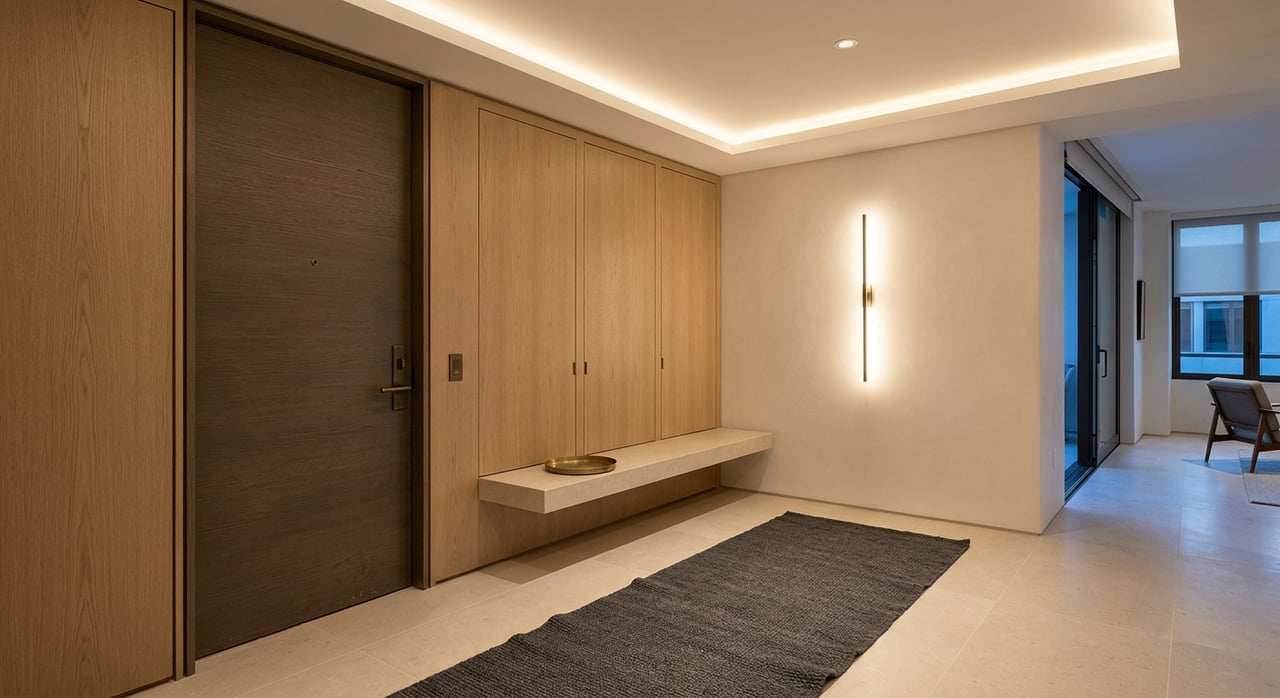
Use a neutral base of warm whites, sand, taupe, or warm gray on large surfaces. Add muted accents in terracotta, clay, cactus‑green, rust, or charcoal. Favor matte stucco or plaster, warm wood tones, honed concrete or stone, and black or dark bronze metal for contrast.
Stage to the view: sightlines and light
Your first priority is framing the view. Edit furniture and decor that block windows or sliding doors. Place seating, rugs, and art so the eye moves toward the glass and beyond. Keep window sills clear and use low‑profile pieces near openings.
Control glare and hard shadows. During the day, keep treatments light with sheers or motorized light‑filtering shades. For evening, layer warm, dimmable lighting at 2700–3000K so interiors glow during twilight photography.
Materials and color that sell in the desert
Choose textures that feel cool and grounded under bright sun and warm up nicely at night. Natural fiber rugs, woven textiles, and tactile throws add softness without visual clutter. Keep color intentional. A few clay or terracotta accents, a cactus‑green pillow, or a single charcoal art piece can anchor a space without competing with the landscape.
Outdoors, use UV‑ and fade‑resistant performance fabrics for cushions and umbrellas. These materials read crisp in photos and handle the climate between showings.
Create indoor‑outdoor continuity
Echo the same tones and textures inside and out. Repeat warm wood, neutral rugs, and terracotta planters to visually extend the living area across thresholds. Clear floor transitions and keep pathways open so the flow feels seamless in person and in photos.
If thresholds are cluttered, remove extra mats, baskets, and side tables. Fewer pieces with clean lines will make the connection feel longer and more valuable.
Outdoor living vignettes buyers remember
Prioritize two simple outdoor “rooms” that face the view:
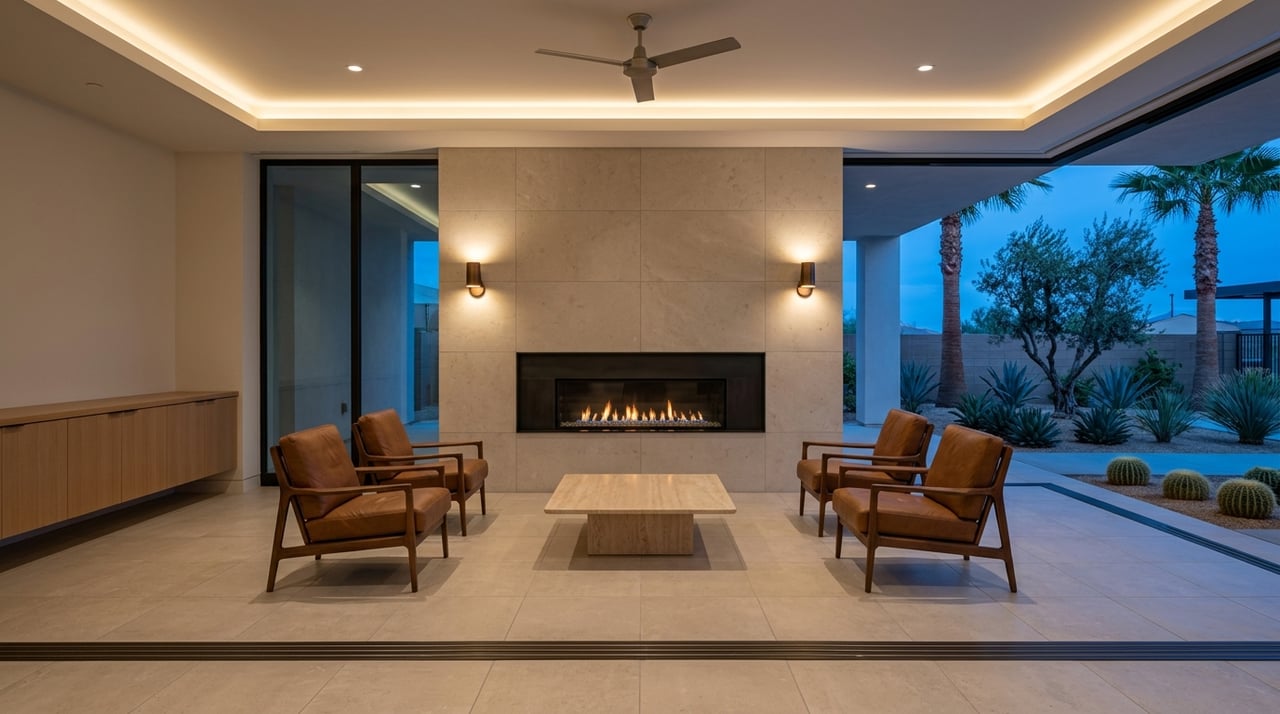
- Lounge zone: low modern sectional or lounge chairs, a low coffee table, and a neutral outdoor rug.
- Dining zone: compact dining set with a shade umbrella, pergola, or shade sail positioned for afternoon comfort.
Add discreet path or string lighting for ambience and to support twilight photos. Consider a small propane fire feature if permitted. Keep styling minimal so buyers focus on the setting.
Use low‑water, regionally appropriate plants in planters or beds: agave, yucca, ocotillo, palo verde, desert spoon, sedum, native ornamental grasses, and potted aloes. Avoid water‑intensive turf unless it is an asset and allowed under local and HOA rules.
Room‑by‑room quick wins
- Living areas: swap tall backs for low seating to open sightlines. Scale rugs to anchor seating without cutting across view corridors. Curate art in single bold pieces.
- Primary suite: neutral bedding with layered textures and light‑filtering shades over heavy drapes. Keep nightstands simple and uncluttered.
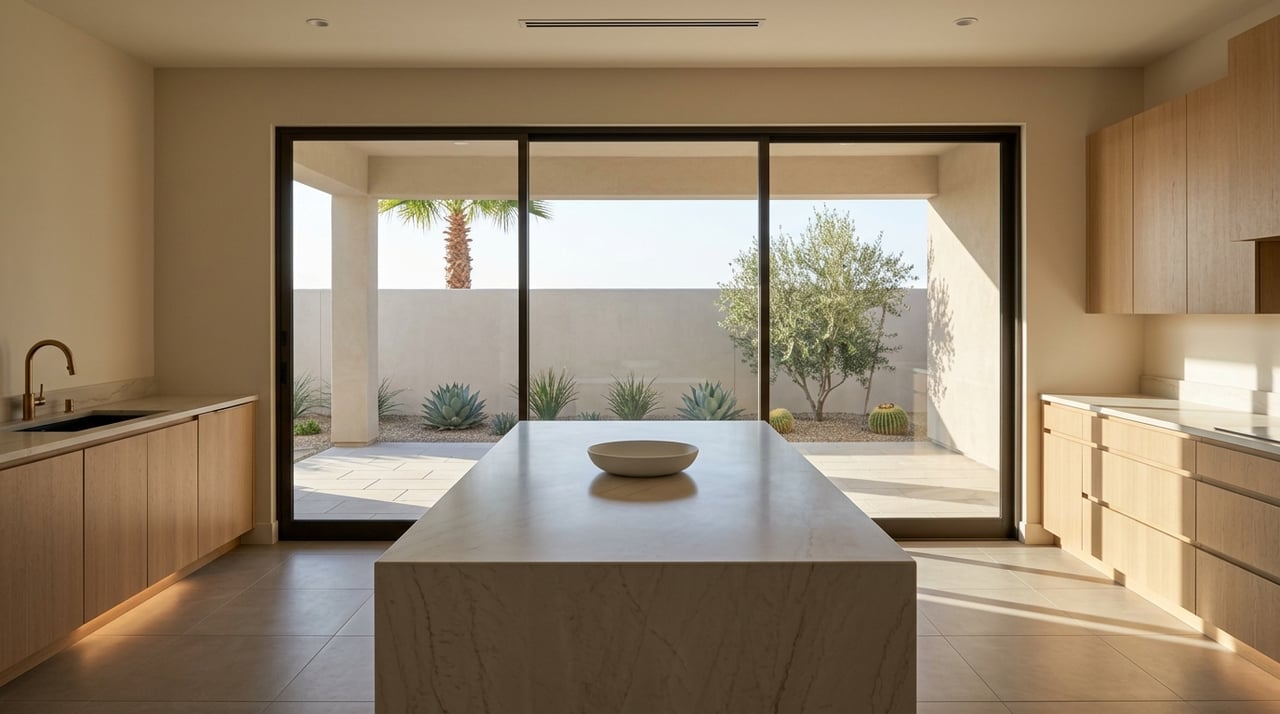
- Kitchen: clear counters, leaving one or two lifestyle notes like a wood board or a small plant. Set a simple table vignette to suggest everyday ease.
Pre‑listing prep and HOA checks
Before you stage, review HOA guidelines for exteriors, signage, and any outdoor furniture or fire features. Confirm local watering schedules and conservation rules. Deep clean inside and out, power wash patios, and wash windows to remove mineral streaks that show in photos.
Use this quick checklist:
- De‑personalize by removing family photos and personal collections.
- Declutter and edit furnishings. Rent minimal modern pieces if needed.
- Touch up paint and repair visible wear and hardware.
- Clear outdoor walkways, hide hoses and bins, and remove personal gear.
Photography plan for premium listings
Strong online images are essential for a premium result. Build your staging plan around how the home will photograph.
Choose the right photographer
Hire a photographer experienced with interiors, exteriors, and twilight in desert conditions. If aerials will showcase lot position and views, confirm FAA Part 107 certification and any HOA permissions before scheduling.
Timing and sequence
Avoid harsh midday interiors. Shoot interiors during softer daylight. Capture daylight exteriors in late afternoon for even light. Finish with twilight exteriors just after sunset so warm interior light plays against the blue sky.
Pre‑shoot checklist
- Replace all burned‑out bulbs and standardize to warm 2700–3000K.
- Turn on all interior and exterior lights.
- Remove window screens from key view windows or clean as needed.
- Straighten shades and sheers to control glare.
- Move cars from the drive and clear patios of clutter.
- Skim the pool and remove floats.
- Trim plants, rake gravel, and position a few fresh planters to complement compositions.
Twilight shot tips
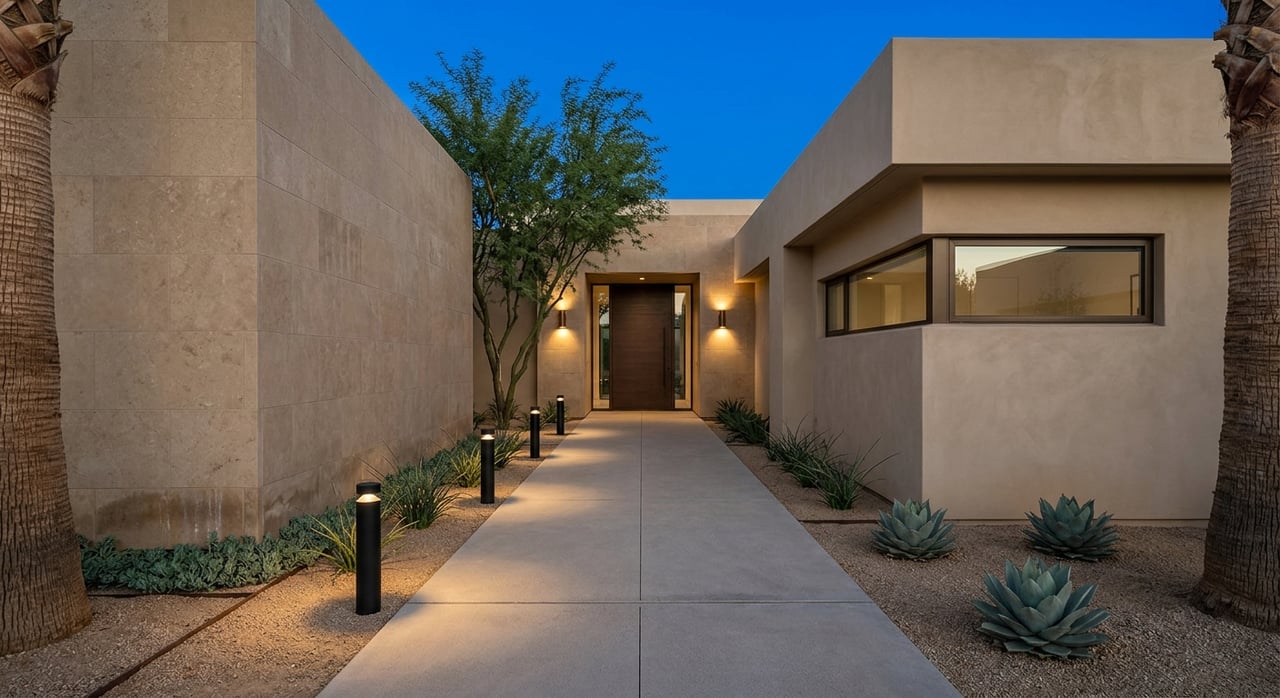
Set interior lights to warm and keep window treatments consistent so the glow reads evenly. Test landscape and path lighting in advance. Work with your photographer to avoid visible reflections and to mix warm interior tones with the cool evening sky.
ROI, cost, and timeline expectations
Thoughtful staging and professional photography tend to increase initial buyer interest, shorten time on market, and support stronger offers in lifestyle‑driven areas. Results vary with condition, pricing, and market activity, but presentation consistently influences early momentum.
Plan one to two weeks for edits, minor repairs, staging, and scheduling. Twilight timing will follow seasonal sunset, so book early during peak months.
Costs range by scope. Options include full staging with rentals, partial staging that focuses on key rooms and outdoor spaces, or a consult where you implement the plan. Photography packages may add twilight and drone services for an additional fee.
Common pitfalls to avoid
- Blocking view corridors with tall furniture or heavy drapes.
- Harsh, cool lighting that fights warm evening tones.
- Over‑styling with too many small decor items.
- Wet patios or pool toys visible during photos.
- Ignoring HOA and local rules for exteriors, watering, drones, or fire features.
Ready to position your Troon Village home for a premium showing and a strong first impression online? For a tailored plan and high‑touch execution, connect with St John International.
FAQs
What is desert‑modern staging in Troon Village?
- It is a clean, neutral design approach that highlights views and indoor‑outdoor flow, softened with warm textures so the home feels welcoming to a wide buyer pool.
When should I schedule listing photos in the desert?
- Plan interiors for soft daylight, exteriors in late afternoon, then a twilight session just after sunset to capture warm interior light against the evening sky.
Which low‑water plants work well for staging?
- Agave, yucca, ocotillo, palo verde, desert spoon, sedum, native ornamental grasses, and potted aloes present well and fit regional conservation norms.
Do I need HOA or other approvals for staging and drones?
- Check HOA rules for outdoor furniture, fire features, and aerial photography, and use a drone operator with FAA Part 107 certification when aerials are appropriate.
How many outdoor spaces should I stage?
- Two focused vignettes work best, typically a lounge and a dining zone oriented to the primary view so buyers immediately see how to use the space.
What color temperature bulbs should I use before photos?
- Choose warm bulbs at 2700–3000K for consistent, inviting light that balances the cool tones of twilight and reduces harsh contrasts in photos.